
 C:\Content\Personal Essays\My First Vote Was for Change. Florida Chose Continuity.
My First Vote Was for Change. Florida Chose Continuity.
November 4, 2026
I spent most of my life skeptical of both parties. At 44, I cast my first ballot because I thought the country had swung too far right, and waiting for it to swing back had stopped making sense.
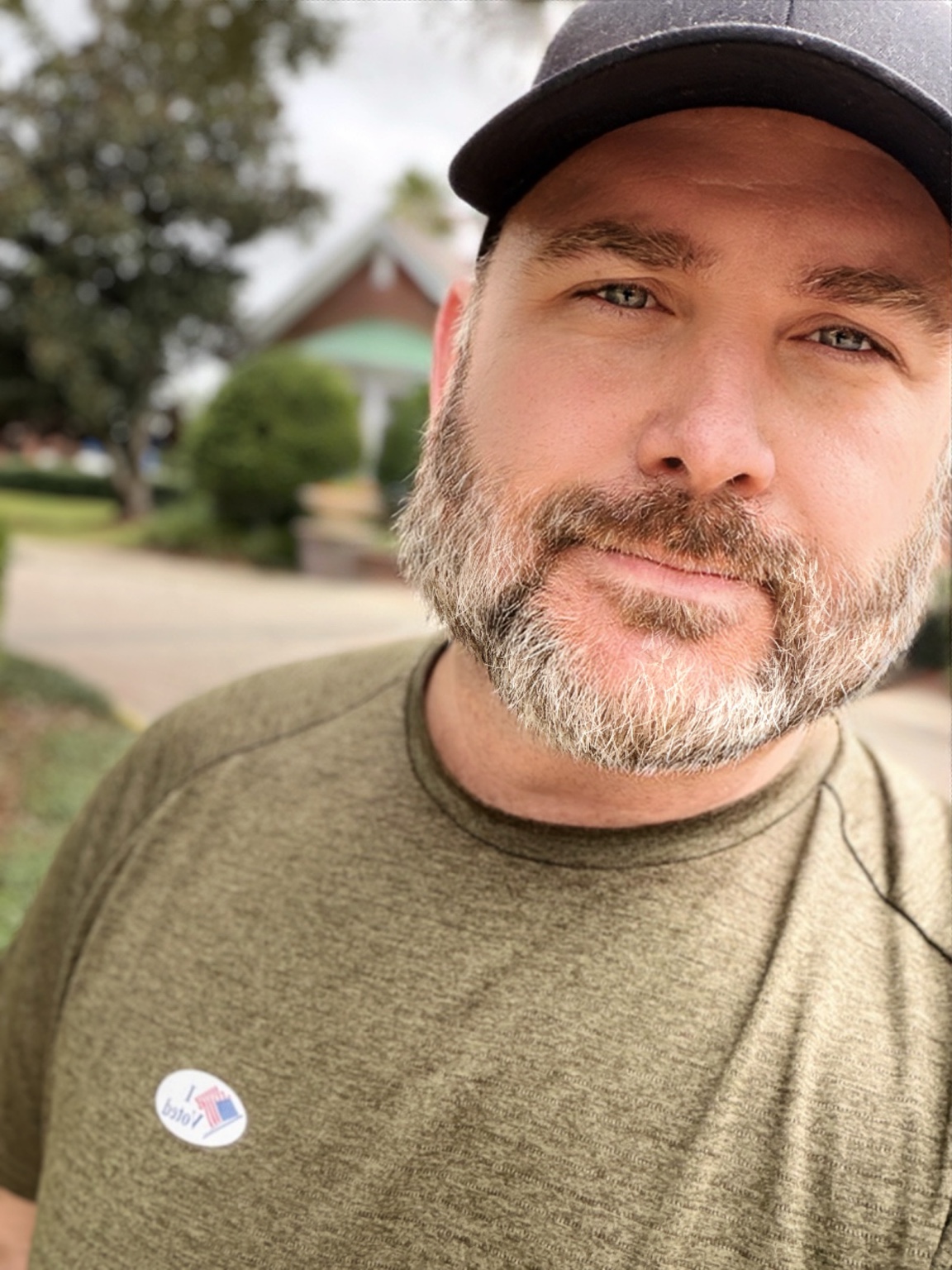
If you’d told me years ago that my first vote for governor would go to a Democrat, I would have asked what happened. For much of my life, I considered myself a libertarian. I’m registered with no party affiliation, and I think for myself. On Nov. 3, at 44, I voted for the first time. I chose David Jolly for governor. In the races where I backed a major-party candidate, I voted Democratic. In my congressional race, I voted for Mike Sell of the Florida Forward Party. I made some no-party choices elsewhere on the ballot, but as always, it’s pointless to vote that way because the country is stuck on the two-party paradigm.
I still see the two parties as two sides of the same coin in one important respect. Both want voters to treat loyalty as a virtue, especially when their own side is in power. But the differences between candidates matter when somebody has to decide who gets tax relief, what gets built in a community and what happens to workers when their jobs disappear. I can be skeptical of both parties and still see that the country, in my judgment, has swung too far to the right. Moving it back toward the center is our job as voters. Nobody in power is going to do it for us out of courtesy.
I used to think staying out of politics was a way to keep my independence. But sitting out left the same people making decisions about costs I still had to pay. I wanted to use my vote to put some pressure on the people governing Florida. This year, that meant voting in a way that would have surprised a younger version of me.
Why I voted for David Jolly
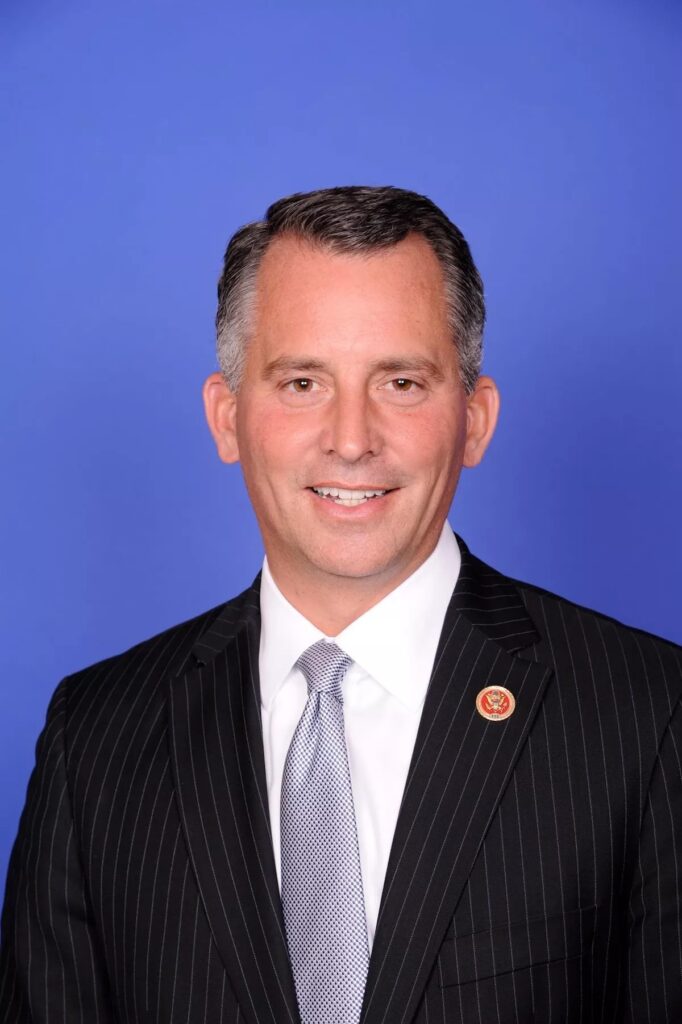
Jolly served in Congress as a Republican before leaving the party and eventually running for governor as a Democrat. His old affiliation made sense to me as someone whose politics have also changed. What made his candidacy a break with Florida’s current approach was what he proposed. At WLRN’s Sunshine Economy Summit, he opposed Amendment 3 and argued for targeted tax relief for first-time buyers and seniors. He also proposed a state-backed disaster insurance program. Donalds supported Amendment 3. Both recognized that Floridians were struggling with costs. They differed on where the state should intervene and whom it should help first. AP on the candidates · WUSF on the summit · News4JAX on the proposals

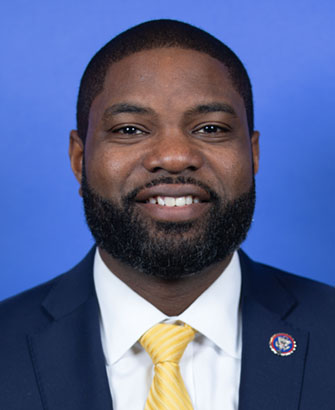

I believe in second chances, and that includes Donalds. PolitiFact reported that he was arrested at 18 on a misdemeanor marijuana possession charge in 1997. The charge was dismissed after pretrial diversion. In 2000, at 21, he was arrested on a felony bribery charge, served probation and later had the record expunged. I don’t consider either episode disqualifying. I judged him on the agenda he offered Florida in 2026 and how much it would change for people already struggling to stay here. PolitiFact’s account
Housing was one place where the difference between the candidates felt real. I could hear them talk about affordability and then go back through my own bills. The state was debating how much more of a home’s value should be exempt from property taxes. I was thinking about what happens when you rent, the fees are already due and getting a basic repair turns into a second job. By the time I voted, I’d had more than a year to think about what that lease in Middleburg had cost me.
What I used to blame myself for
At 44, I still don’t own a home. I used to explain that by listing every decision I should have made differently. I’ve taken too much responsibility for things that were never mine to decide. When I was a child, my parents used my Social Security number to refinance a house in my name. They divorced, the house went into foreclosure, and by the time I moved out, my credit was already wrecked. I was old enough to be held responsible for that record by the time I needed it, even though I’d been a kid when it was made.
My dad walked away from the family. He’s also helped me at some of my lowest points. Both things are true, and I’ve had to make room for both. I eventually built about 13 years of stability. That took time, and I was proud of it. Then I lost my job the day after my wife moved into the rental in Middleburg. It felt as if a lot of things I’d spent years getting under control came apart at once.
What nearly $2,500 a month bought us
My wife moved in on June 28, 2025. The base rent was about $2,200 a month. Once the recurring fees were added, it was closer to $2,500 before utilities, internet and other expenses. I was laid off the next day. I asked AMH, which managed the house, whether there was any hardship assistance or an affordable way out of the lease. I came away without either. The layoff made the rent harder to carry, but the problems with the house had started before I lost my job.
Superior Fireworks had recruited me for more than a year. I turned down its first offer and eventually took the job. A little over a year after I joined, the company laid me off. I attribute the layoff to the Trump administration’s 2025 tariffs on imports from China, where Superior sourced its fireworks inventory. The company publicly tracked the tariff swings that spring, reporting in May that the total rate on fireworks from China had fallen from 150.3% to 35.3%. Whatever those numbers looked like in Washington, I was trying to figure out how to cover a lease I’d just signed. Superior Fireworks’ tariff update
We had been promised that the strong smell of cat urine in the garage would be addressed before we moved in. It was still there. The refrigerator malfunctioned, and we lost groceries. We had paid a $500 cleaning fee, yet the floors were dirty, a stair railing was broken and a trash can full of garbage had been left behind. We spent hours cleaning the garage ourselves. When maintenance requests I’d submitted were no longer visible in the portal, I called resident services and was told nothing could be done over the weekend.


Photos from my Google review of AMH.
As I described in my review, a pest-control worker identified what he said were roach droppings. I also reported staining that looked like mold or mildew. Contractors eventually coated the garage floor with epoxy. In my account, equipment was damaged during the work and the fumes made the house difficult to stay in for several days. I sought medical treatment for migraines during that period and suspected the fumes were a factor.
We moved out early with the problems still unresolved. AMH is still trying to collect the early termination fee, which I dispute. By my accounting, the rental and related expenses cost us more than $25,000 in about six months. Before move-in, when fees were due, it was easy to get a response. After move-in, when we needed repairs, it felt like we were dealing with a different company. The fee AMH is trying to collect is part of the same story for me. I’d just lost the income I counted on to pay the rent, the problems we’d reported were still unresolved, and leaving came with another bill.
In 2024, 62.1% of Florida renter households were housing-cost-burdened, compared with 30.2% of owner households, according to USAFacts’ analysis of Census Bureau data. A household is considered cost-burdened when it spends at least 30% of its income on housing. In the Jacksonville metro area, the Government Accountability Office found that large institutional investors owned 22% of single-family rentals in 2024. Their share of all single-family homes in the metro was about 3%. Those figures describe different markets. The 22% figure tells you how much of the single-family rental market these investors already own around Jacksonville. USAFacts housing data · GAO report
Renters 62.1%
Owners 30.2%
I hate what companies like AMH are doing to the single-family housing market. A company can own house after house in a market where a family may be struggling to buy one. And when you rent from a company that operates at that scale, it can be remarkably easy to sign a lease and pay every fee, then remarkably hard to get anyone to take responsibility for the house you’re living in. My experience with AMH made me want Florida to pay attention to how many homes these companies are buying, what that means for people trying to buy their first one, and what recourse tenants have when repairs go unresolved.
Starting over at 44
I’ve struggled to find steady work in media and marketing since the layoff. I’m competing for jobs with people half my age, and I believe some American companies are choosing to hire remotely in South America to reduce labor costs. I want younger workers to get their start and workers in South America to have access to good jobs. My frustration is with the choices American companies make about where they hire, what they pay and how much they value experience. I don’t know what tipped any individual hiring decision. What I do know is that AI has made the career I spent years building feel less stable. My essay on AI and creative access and my piece on why experience still matters in AI search explain why I still see value in these tools. At 44, I’m going back to school to switch to radiology. On my current timeline, I’ll be about 47 before I can reasonably expect to be established in a new career. In the meantime, the bills keep coming.
That’s part of why I paid attention when Florida’s candidates talked about AI data centers. Republican Byron Donalds opposed a statewide pause and backed legislation aimed at shielding households from higher utility costs. Jolly called for a moratorium and raised the possibility of state retraining and assistance for workers affected by AI. The prospect of new investment matters, but so does who pays for the power and what happens to people whose jobs are changing faster than they can retrain. I’m looking at three years of starting over. I wanted a governor who would take that part of the transition seriously. AP on the candidates’ data center positions · News4JAX on Jolly’s retraining proposal
David Jolly’s data-center criticism on X
What Florida voted for
The Associated Press called the governor’s race for Donalds, who is set to become Florida’s first Black governor. The unofficial returns cited by News4JAX put him at about 4.13 million votes to Jolly’s 4.02 million, a difference of roughly 108,000 votes. Republicans also won the U.S. Senate race and the three Cabinet contests. That gives the party continued control of those offices, but the governor’s race was far closer than in 2022, when Ron DeSantis won by more than 19 points. AP race call · News4JAX election returns
I’m disappointed Donalds won. I wanted Jolly to have the chance to take Florida in a different direction. What stays with me is how divided we were on that choice. Republicans kept every statewide office on this ballot, and the governor’s race was close enough that neither party can credibly claim to speak for all of Florida. A close vote can’t tell me why my neighbors voted as they did. It can tell me that millions of us wanted a different governor, and I expect the winner to govern with those Floridians in mind, too.
On election night, MS NOW commentator Symone Sanders Townsend acknowledged the significance of Florida electing its first Black governor and argued that Donalds would continue Ron DeSantis’ political direction. The X post below shares a clip of her broadcast remarks. Donalds, in his own post after the win, said his administration would make life in Florida more affordable. Election-night clip and transcript
Clip of Symone Sanders Townsend’s election-night reaction on X
Byron Donalds’ election-night victory post on X
In 2024, House Democratic leader Hakeem Jeffries and then-DNC chair Jaime Harrison publicly challenged remarks Donalds made about Black families during Jim Crow. Donalds said his remarks were about family structure, conservative views and voting. Reporting on the exchange · Donalds’ response
Hakeem Jeffries’ response on X
Jaime Harrison’s response on X
History was made. What changes for workers?
Florida elected its first Black governor, and I understand why people say history was made. But when I hear that phrase, I keep coming back to a question that matters more to me right now. What is this administration going to do for the people trying to make rent while they look for steady work? Florida is debating where to build AI data centers and who should pay for the power they use. I want to hear the same urgency about whether the people already living here can find jobs that pay enough to stay.
In September 2026, the headline national unemployment rate was 4.2%. Using federal survey data for the same month, the Ludwig Institute for Shared Economic Prosperity put what it calls functional unemployment at 24.0%. That broader measure counts people without jobs, people working part time who want full-time work, and workers earning below its threshold of $26,000 a year before taxes in 2025 dollars. The figures answer different questions. The headline rate tells us how many people in the labor force are officially unemployed. LISEP’s measure also asks whether the work people have offers enough hours and income to make a living. LISEP data and methodology
When Florida leaders talk about the jobs that will come with new data centers, I want to know what those jobs pay, how many will last after construction, and what it takes for someone in a shrinking field to qualify. At 44, I’m looking at years of training before I can establish myself in radiology. The election took a night. I’ll judge what comes next by whether people in my position have a better shot at finding steady work and keeping a roof over their heads.
Whose housing costs count?
About 62% of voters backed Florida’s 2026 Amendment 3 in unofficial returns, clearing the 60% threshold. For eligible homeowners, it raises the homestead exemption on non-school property taxes to $150,000 in 2027 and $250,000 in 2028. It also lowers the annual cap on increases in assessed value for non-homestead properties, including rentals, from 10% to 5% for non-school taxes. The homeowners’ exemption directly benefits eligible owners. A lower assessment cap can benefit a rental property owner, but the amendment gives tenants no guarantee of lower rent. Florida Senate summary · Amendment returns
Yes 62%
No 38%
Passage required 60% support. Rounded results from News4JAX.
I also want to know how the property tax change plays out after it takes effect. A smaller increase in a rental property’s assessed value could matter to the owner’s expenses. Whether a tenant sees any benefit depends on what happens to the rent and the other charges on the lease. I’d watch what renters actually pay at renewal, including fees, alongside what homeowners save on their tax bills. Both sets of numbers belong in the same conversation about affordability. If one group gets an immediate and measurable break, we ought to be able to ask what the policy did for the other group a year later.
I understand why a homeowner facing higher bills would vote for that break. I want a state government that asks with equal urgency what relief looks like for the person paying rent. I’d start with a clear price before a tenant signs, a reliable way to document and resolve serious repair complaints, and more homes people can afford on what they earn. I can’t know whether a Jolly administration would have delivered those things. I voted for him because I wanted Florida to try a different approach, and I’ll judge Donalds by what changes for the people who are still trying to afford a place here.
The next few years will give me my own measure of what these promises are worth. I expect to spend them working toward a career in radiology, at an age when I thought I’d be further along in the work I already knew. I’ll still have to pay for housing while I retrain, and I’ll still have to make decisions about what my household can absorb. A lower tax bill may help a homeowner stay put. A new data center may bring investment to a county. I want elected officials to be able to explain what their policies do for the person trying to make it from one paycheck, one lease or one career to the next.
The Senate race was about what Washington does at home
Republican Ashley Moody defeated Democratic state Rep. Angie Nixon for the remaining two years of Marco Rubio’s Senate term. Moody had been appointed to the seat after Rubio left to become secretary of state. She ran on her record in office and emphasized law enforcement and her economic agenda. Nixon, a Jacksonville legislator, made the cost of living, health care and support for families central to her campaign. The unofficial returns reported by News4JAX put Moody at about 51% and Nixon at about 48%. AP race call · News4JAX on the candidates
I paid attention to that contrast because I’ve lived through what happens when economic policy made in Washington reaches a household on a bad week. A change in the cost of importing fireworks can matter to a business before a customer sees a new price. For someone trying to make rent, losing a paycheck matters immediately. Health care and the cost of keeping a household afloat can sound like separate issues in a campaign. When you’re between jobs, they come out of the same bank account. I want senators to talk about that connection when they defend their economic record.
Moody and Nixon were running for an office with a different set of responsibilities from the governor’s. A senator can vote on federal spending and health policy, scrutinize the executive branch and press an administration about how its trade decisions are playing out. Tallahassee has its own decisions to make about housing and insurance. I care about both levels of government because a family can be dealing with a federal policy shock and a local housing problem at the same time. I certainly was.
The three Cabinet races deserved more attention
Republican James Uthmeier defeated Democrat José Javier Rodríguez for attorney general, Republican Blaise Ingoglia defeated Democrat Annette Taddeo for chief financial officer, and Republican Wilton Simpson defeated Democrat Joey Mendoza Atkins for agriculture commissioner. Uthmeier and Ingoglia entered the election as DeSantis appointees. Simpson was already serving in the office he won again. Each Republican finished near 51% in the unofficial returns. Put together, those races kept the Cabinet in Republican hands. Individually, they gave voters three distinct decisions about who should exercise state power. News4JAX statewide results
The attorney general’s race made me think about enforcement. When we were trying to get our rental fixed, I learned how much work it takes to build a record while you’re also trying to live in the house. You save screenshots, keep receipts and write down the names of the people you called. A statewide consumer-protection office can look for patterns across complaints that one person has no way of seeing. That’s the question I bring to the Uthmeier–Rodríguez race. How easy is it for a Floridian to file a useful complaint, and what does the state do when it hears the same story repeatedly?
The chief financial officer’s race matters for a different reason. Florida residents tend to notice the insurance system when a premium jumps, a claim stalls or a policy is about to expire. That makes the office sound remote right up until the moment someone needs help navigating it. The Ingoglia–Taddeo contest was a chance to pay attention to the financial side of affordability, including how well the state helps consumers understand their options. When politicians say the market is improving, I want them to show what households are actually paying and how long they wait for answers after a loss.
The Simpson–Mendoza Atkins race was also about an office that touches ordinary life in ways its name only partly suggests. Florida’s agriculture department handles consumer services as well as its work with growers and ranchers. Agriculture also brings questions about water, land and the cost of doing business into state government. Those issues can feel distant from a rental in Middleburg until you look at how much growth is asking of the same communities. Who gets a say in the use of land and water? Who pays when more infrastructure is needed? Those are practical questions for people living near farms, subdivisions and proposed data centers alike.
I understand why the governor’s race drew the most attention. I also know how easy it is to stop reading when you reach a title you don’t hear in everyday conversation. The Cabinet races are where questions about consumer protection, insurance and how state agencies serve the public become choices about actual people. I wish I had spent more of my life paying attention to those jobs. Once you’ve spent a weekend trying to get someone to answer a serious complaint, the way an office handles a call feels like a political issue.
Why I voted for Mike Sell
I voted Democratic in the partisan races where I chose a major-party candidate, and I made some no-party choices elsewhere on my ballot. In Florida’s 4th Congressional District, I voted for Mike Sell of the Florida Forward Party instead of Democratic nominee LaShonda “L.J.” Holloway. Republican incumbent Aaron Bean won the race. Todd Schaefer ran with no party affiliation. Sell’s party affiliation and Schaefer’s ballot designation were different. Sell got about 0.6% in the unofficial state count. News4JAX district voter guide · Florida Division of Elections district returns
The result shows how hard it is for a candidate outside the two major parties to gain a foothold. I went into the booth knowing the race would probably be decided between the Republican and the Democrat. I still wanted to vote for the candidate whose priorities best matched mine in that contest. My choice in one House district can sit alongside my support for Jolly. I’m registered with no party affiliation because I want to make room for exactly that kind of decision.
There’s a temptation to read someone’s ballot backward from the winner, as if the only meaningful question is whether the vote helped elect the person who took office. I understand the strategic argument, especially in a close race. But I had spent years feeling as though participation required picking a team first. Voting for Sell mattered to me because I could take the race seriously, consider the odds and still give my vote to the candidate I preferred. Holloway was the Democratic nominee. My vote in that race went to Sell.
Florida election results
| Contest | Winner / leading side | Runner-up / opposing side | Vote share |
|---|---|---|---|
| Governor | Byron Donalds (R) | David Jolly (D) | 50%–49% |
| U.S. Senate | Ashley Moody (R) | Angie Nixon (D) | 51%–48% |
| Attorney general | James Uthmeier (R) | José Javier Rodríguez (D) | 51%–49% |
| Chief financial officer | Blaise Ingoglia (R) | Annette Taddeo (D) | 51%–49% |
| Agriculture commissioner | Wilton Simpson (R) | Joey Mendoza Atkins (D) | 51%–49% |
| Amendment 3 | Yes | No | 62%–38% |
For updated statewide and county counts, use Florida Election Watch or SignalData’s filterable Florida results, which draws from the state’s election-night file.
The county-level returns are worth opening because the statewide number compresses a lot of different places into a single percentage. In a state this large, a candidate can win comfortably in one community and spend the rest of the night trying to make up ground somewhere else. That is a reason to be careful about sweeping conclusions. I can say why I voted the way I did. The results tell me how many votes the candidates got, and where. A tally can’t tell me which voter was thinking about rent, which one was worried about insurance or which one simply trusted the incumbent more.
I’m still an independent. If the pendulum swings too far in the other direction, I’ll say so and vote accordingly. Right now I want to see what Florida’s leaders do for people who are trying to keep a roof over their heads while they start over. I spent 44 years leaving those decisions to other voters. I don’t plan to sit out the next one.
I spent most of my life skeptical of both parties. At 44, I cast my first ballot because I thought the country had swung too far right, and waiting for it to swing back had stopped making sense. After casting my first ballot at 44, Nov. 3, 2026. If you’d told me years ago that my first vote for governor would go to a Democrat, I would have asked what happened. For much of my life, I considered myself a libertarian. I’m registered with no party affiliation, and I think for myself. On Nov. 3, at 44, I voted for the first time. I chose David Jolly for governor. In the races where I backed a major-party candidate, I voted Democratic. In my congressional race, I voted for Mike Sell of the Florida...
Start a new thread